


Marketing and sales teams talk a lot about alignment, but in practice, it rarely happens.Marketing runs campaigns. Sales runs outreach. RevOps cleans up the mess in between. Somewhere in that chaos, high-intent accounts fall through the cracks.
That’s where the best account-based orchestration platforms come in. They’re built to connect every part of the GTM motion, helping teams act on buying signals, prioritize the right accounts, and coordinate outreach across channels. Still, with so many tools claiming to do it all, figuring out which ones actually deliver can feel like a guessing game.
So, I evaluated over 15 tools to find the 5 best account-based orchestration platforms using G2 Data and verified reviews. The five that stood out are the ones that truly help B2B teams operate as one unit by combining strong data intelligence, workflow automation, and measurable revenue impact.
If your goal is to turn disconnected tools and signals into a single go-to-market rhythm, this list is for you. To quickly summarise it for you, my top 5 picks are 6sense Revenue Marketing, HubSpot Marketing Hub, GTM Studio - Powered by ZoomInfo, Foundry ABM, and AdRoll ABM (Formerly RollWorks).
*I found these to be the top-rated account-based orchestration platforms in their category as per the G2 2026 Summer Grid Report. I've included all their standout features and the starting prices of their paid plans, where applicable, to make comparisons easier for you.
B2B marketing used to be simple: run campaigns, generate leads, and hand them off to sales. But as buying cycles grew longer and teams adopted dozens of tools, it became harder to see which accounts actually mattered. Today, most revenue teams have the data; they just can’t act on it fast enough.
That’s where account-based orchestration platforms prove their value. They connect data, intent, and engagement signals across your CRM, marketing automation, and ad tools, giving teams a single source of truth. Instead of guessing who’s ready to buy, these platforms help you prioritize accounts showing intent and automatically launch coordinated plays.
When done right, orchestration turns every touchpoint: ads, emails, calls, into part of one connected buyer journey. It’s the difference between chasing leads and engaging accounts already in-market.
And the market is catching on. According to industry research, the market is projected to reach $4.5 billion by 2033.
I started with G2’s Grid® Report for the account-based orchestration platform to identify top-rated and emerging players in the space. This included platforms known for strong integrations, advanced analytics, and verified customer satisfaction scores.
Next, I analyzed hundreds of G2 reviews using AI-assisted clustering to uncover recurring themes, what users praised most (such as automation, data unification, and predictive scoring), and what they wished worked better (like the learning curve or customization depth).
To validate those patterns, I spoke with industry peers who lead ABM, marketing operations, and RevOps teams. Their firsthand experience enabled me to see how these platforms function beyond initial onboarding, how effectively they integrate into complex tech stacks, facilitate collaboration between departments, and adapt as teams grow.
All product visuals featured in this article are sourced from official G2 vendor pages and publicly available materials.
I considered the following factors when evaluating the best account orchestration solution for boosting sales.
The list below contains genuine user reviews from the Account-Based Orchestration Platforms category page. To be included in this category, a solution must:
*This data was pulled from G2 in 2026. Some reviews may have been edited for clarity.
G2 rating: 4.3/5
In my opinion, 6sense Revenue Marketing is a reliable choice for revenue teams that want to take the guesswork out of account prioritization. According to G2 Data, 51% mid-market businesses and 39% enterprises make up its user base, making it especially suited for teams managing complex, multi-region buying cycles. The platform is best known for turning fragmented intent data into coordinated action across marketing and sales.
At the heart of its orchestration power is AI-driven intent and predictive modeling. From what I gathered, G2 reviewers consistently praised how the platform surfaces hidden buying signals and points to which accounts are likely to convert before traditional analytics catch up. That depth of intelligence is what lets teams spend less time chasing cold prospects and more time engaging accounts already in-market.
The platform also stands out for keeping marketing and sales working from the same view. With ease of doing business rated at 91% and quality of support at 89%, reviewers describe a smooth working relationship and a system both teams can rally around. For an ABM motion, shared visibility into target accounts is often the difference between coordinated outreach and guesswork.
Account targeting is another clear strength I saw. G2 reviewers highlighted how easily they can build highly customized account lists, supported by an account identification and segmentation score of 88% and centralization at 85%. Instead of stitching together data from multiple systems, teams get account information, intent signals, and orchestration in one connected place.
6sense also earns praise for how its insights translate into the pipeline. Reviewers noted that because the platform points teams toward accounts showing real buying behavior, outreach becomes sharper and deals progress faster, which several users tied directly to stronger revenue outcomes.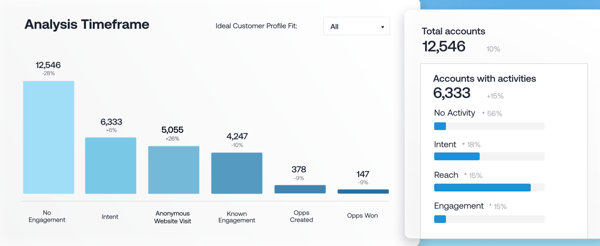
The platform's depth does mean there's a learning curve worth planning for. Some G2 reviewers mentioned that the orchestration and segment builders can feel clunky and take extra clicks, though many use that initial ramp-up as an opportunity to build a stronger, more scalable orchestration foundation.
A few reviewers also noted that the breadth of features can feel overwhelming for teams new to intent-based marketing. Most agreed, however, that once the workflows click into place, the account intelligence on offer makes the early investment well worth it.
Overall, G2 review data positions 6sense Revenue Marketing as a sophisticated, data-first platform for mid-market and enterprise teams that want to lead with predictive intelligence and turn early buying signals into coordinated engagement.
“What stands out most is the depth of intent it can provide to both Marketing and Sales at the same time. Having both teams operate in a cohesive, aligned way is incredibly important to our ABM motion, and this supports that need well.”
- 6sense Revenue Marketing review, Amanda S.
“I find the ‘Orchestration’ and ‘Segment’ builders a bit clunky, and it often takes too many clicks to put together what should be a simple report.”
- 6sense Revenue Marketing review, Milton D.
G2 rating: 4.4/5
HubSpot Marketing Hub continues to be one of the most popular choices for small and mid-market teams that want to manage account-based orchestration and CRM-driven marketing in one platform. According to G2 Data, 51% small businesses and 44% mid-market businesses make up its user base, largely in industries like computer software, IT, and marketing services.
If you ask me, HubSpot's CRM integration is a core reason it performs so well in orchestration scenarios. G2 reviewers frequently highlight how the CRM and marketing automation layers communicate seamlessly, creating a single source of truth. This shared visibility lets teams track engagement at both the contact and account levels and trigger outreach the moment buying signals appear, rather than reacting to stale lead lists.
That accessibility shows up clearly in the satisfaction data I saw. With ease of use rated at 89% and ease of admin at 88%, reviewers describe a platform teams can pick up without heavy training and manage without a dedicated administrator. For lean marketing teams, that usability is often what makes orchestration feel achievable rather than overwhelming.
From what I saw, the platform also shines in connecting the full buyer journey. Backed by an ease of doing business with score of 91%, G2 users describe tracking a prospect from first touch through to closed deal without stitching tools together, keeping marketing and sales aligned around the same data.
Centralization is where HubSpot plays to its all-in-one identity. With centralization rated at 87%, account identification and segmentation at 87%, and lead-to-account matching at 86%, reviewers value having email, contact management, workflows, and account targeting living side by side. Add in a quality of support score of 89% and a strong community, and teams get the resources to grow into the platform over time.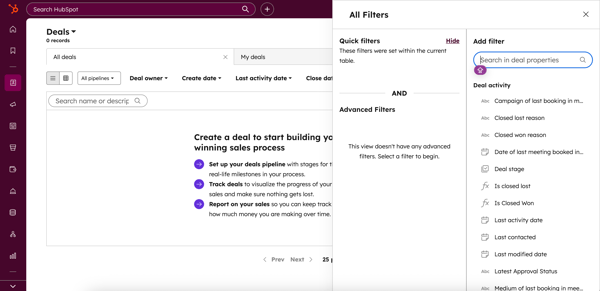
HubSpot offers extensive workflow flexibility, which some G2 reviewers mentioned may take time to master. Teams that want to take full advantage of advanced automation may need a short learning period, though most agree that the setup phase pays off quickly once they see how much manual coordination it replaces.
Pricing also came up as a point of consideration in reviews I analyzed. G2 reviewers noted that the most advanced features sit in higher tiers, which can feel expensive as a business scales, but many viewed it as an opportunity to unlock capabilities that support growing operations rather than a limitation early on.
In my view, HubSpot Marketing Hub stands out as an approachable yet powerful orchestration platform, pairing seamless CRM integration with intelligent automation and alignment-driven design.
“I like that HubSpot Marketing Hub is easy to use and a good system for collaborating with Sales. It's simple to track data from lead generation to deal generation and what activity a prospect or customer has taken in their journey with us.”
- HubSpot Marketing Hub review, Dean M.
“One downside is that some advanced features are available only in higher-tier plans, which can become expensive as business needs grow.”
- HubSpot Marketing Hub review, Dharamveer P.
G2 rating: 4.5/5
GTM Studio - Powered by ZoomInfo combines data intelligence and account orchestration in a single platform. According to G2 Data, 61% mid-market businesses and 27% small businesses make up its user base, largely in the computer software, IT, and marketing industries.
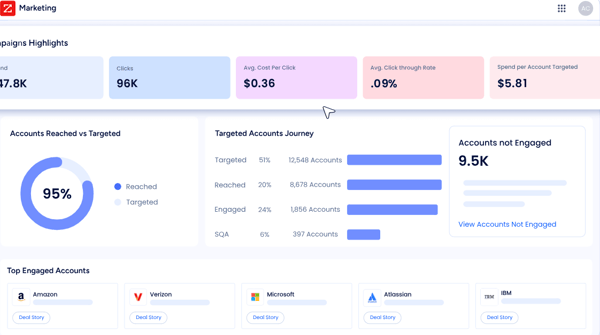
From what I gathered during my research, ZoomInfo gives marketing and sales teams a unified view of their total addressable market, helping them identify the right accounts, understand intent, and coordinate outreach more effectively.
One of the most consistent themes I saw in G2 reviews is its data accuracy and depth. Reviewers describe combining high-quality firmographic and technographic data with intent signals to reach the right audience at the right moment, which is exactly what makes campaigns land rather than scatter. That reliability shows up in standout satisfaction scores, with meets requirements rated at 95% and ease of doing business with at 96%.
Targeting and segmentation are where that data turns into action. With account identification and segmentation rated at 91%, G2 reviewers highlight how precisely they can build and narrow audiences by role, industry, and buying signal, then push those segments straight into campaigns. For teams that want sharp, intent-led targeting, that precision is the headline.
Audience building also stands out to me as a daily-use strength. Reviewers describe assembling target-account audiences quickly and pairing them with multichannel engagement, rated at 91%, to activate across channels from one place. Instead of treating data and activation as separate steps, GTM Studio keeps them connected, which simplifies the whole ABM workflow.
Usability rounds out the picture, and it matters for adoption. With ease of use rated at 93% and ease of setup at 93%, reviewers describe getting up and running quickly and finding the day-to-day experience approachable, backed by a quality of support score of 93% that helps teams resolve questions fast.
The platform's data can occasionally go stale over time. Some G2 reviewers mentioned encountering outdated contacts and recommend periodic validation, though they view it as an opportunity to tighten enrichment settings, and note the underlying data is largely reliable and still saves significant research time.
Pricing is another consideration for smaller teams. Reviewers mentioned that costs can climb as usage scales, but many add that the depth and precision of the data justify the investment for teams running serious account-based programs.
What stands out most to me is how GTM Studio turns best-in-class B2B data into precise, multichannel account activation, making it a powerful engine for teams that want their targeting grounded in real buying signals.
“What I like best about ZoomInfo Marketing is how accurately it combines high-quality B2B data with intent signals to reach the right audience at the right time. The ability to target accounts based on real buying intent, firmographics, and technographics makes campaigns far more effective.”
- GTM Studio - Powered by ZoomInfo review, Tripti D.
“Pricing can be a bit high, especially when scaling usage across teams. While the data is mostly accurate, there are occasional outdated contacts, so some validation is still needed.”
- GTM Studio - Powered by ZoomInfo review, Hillary D.
G2 rating: 4.2/5
Foundry ABM, formerly Triblio, has built a reputation as a true orchestration platform rather than a single-channel point tool. According to G2 Data I saw, 66% mid-market businesses and 19% enterprises make up its user base, reflecting its fit for teams running coordinated, multichannel account-based programs.
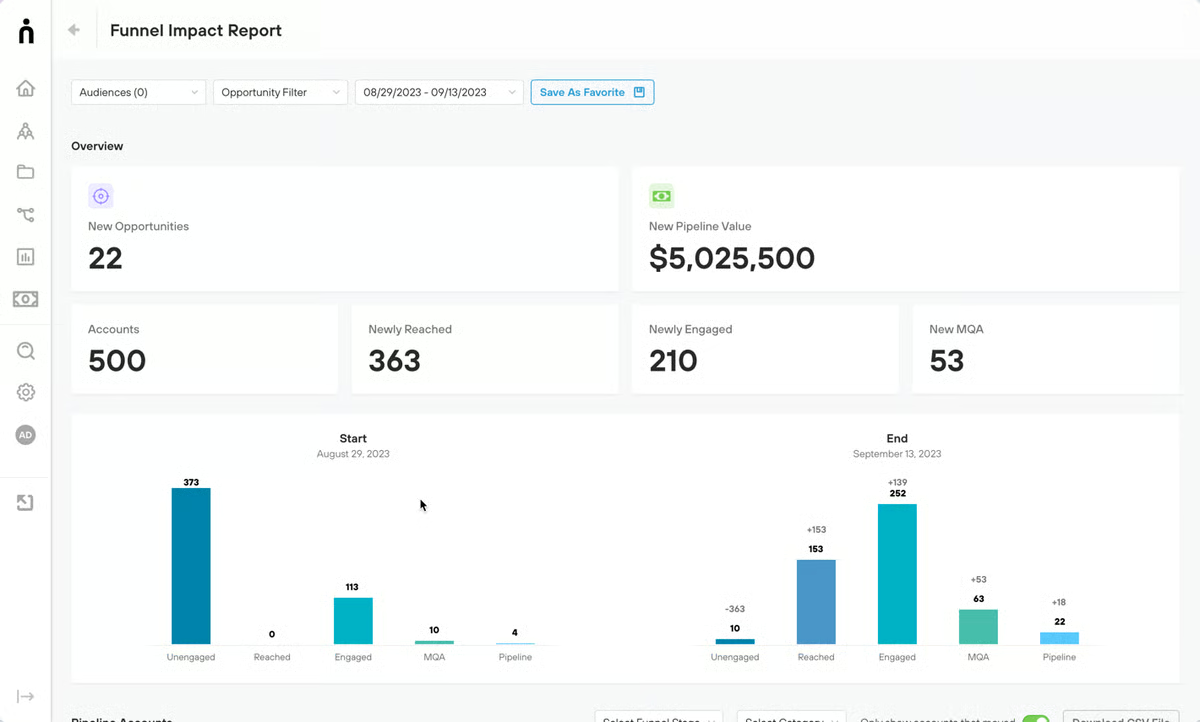
The theme that comes through most clearly to me is the breadth of orchestration. G2 reviewers describe engaging target accounts across multiple channels and tactics at once, rather than pushing them through one siloed tactic before the next. That coordinated approach, spanning advertising, web personalization, and sales activation, is the platform's defining strength.
Foundry's AI-powered intent engine comes up again and again in the reviews I analyzed. Reviewers highlight how the intent-driven scoring model surfaces accounts that are genuinely in-market rather than vanity signals, supported by a strong lead-to-account matching score of 90% that helps teams connect the right buyers to the right accounts.
Targeting and integration are another area of praise I saw. With account identification and segmentation rated at 89% and integrations at 89%, G2 reviewers describe pinpointing high-value accounts and feeding insights smoothly into Salesforce and other CRM tools, which keeps marketing and sales aligned around the same pipeline.
Reviewers also credit Foundry's support experience. Backed by a quality of support score of 92%, users describe a responsive, hands-on customer success team that helps drive smooth implementation and strong adoption, especially valuable for teams new to orchestration at this depth.
The platform's depth does come with a learning curve. Some G2 reviewers mentioned the interface can feel cluttered and navigation complex at first, though many find that same depth is what makes true multichannel orchestration possible once teams are set up.
Reporting is another area reviewers would like to see go further. A few noted the analytics could be more detailed and flexible for extracting deeper insights, but they often pair that with appreciation for how responsive the team is in addressing feedback and refining the experience.
On the whole, I'd say G2 sentiment positions Foundry ABM as a strong fit for marketing teams that want genuine end-to-end orchestration, blending advertising, personalization, and sales activation under one intent-driven roof.
“Foundry ABM proves to be highly effective when it comes to targeting high-value accounts through personalized campaigns. The platform offers robust data analytics that help refine strategies by providing real-time insights and integrating smoothly with CRM systems.”
- Foundry ABM review, Toniya T.
“In terms of the analytics provided by the Foundry ABM tool, I think it can be a bit more detailed and include a broader set of information than the existing data set.”
- Foundry ABM review, Vinit J.
G2 rating: 4.3/5
AdRoll ABM (Formerly RollWorks) is built for B2B marketers who want to run account-based advertising programs without a large operational team behind them. According to G2 Data, 63% mid-market businesses and 24% small businesses make up its user base, a profile that fits its execution-focused, accessible approach to reaching target accounts.
Ease of use is the theme that surfaces most often in the reviews I looked into. G2 reviewers describe the platform as user-friendly, with straightforward campaign setup and clean dashboards, supported by an ease of use score of 90% and ease of admin at 89%. For lean demand-gen groups, that simplicity translates into faster time-to-value and less dependence on specialized resources.
Account visibility and targeting are where it earns its keep. Reviewers highlight seeing which companies visit their site and which pages they engage with, then activating against those accounts through multichannel engagement, rated at 94%, the platform's highest-rated feature. That account-level precision helps teams focus on high-intent prospects instead of running broad campaigns blindly.
CRM integration came through clearly as a workflow win. With integrations rated at 89% and centralization at 89%, G2 reviewers describe clean syncs with Salesforce and HubSpot that let them build audiences from existing lists and report on advertising influence alongside pipeline data.
Customer support is mentioned consistently as a strength, too. Backed by a quality of support score of 94%, reviewers frequently highlight responsive account managers and a hands-on onboarding experience that helps teams get up and running smoothly.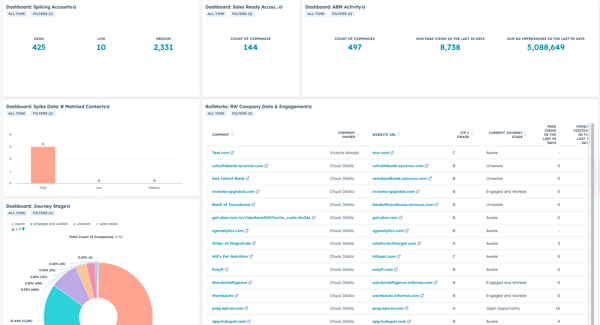
Based on G2 reviews I looked into, attribution is one area reviewers would like to see improve. Some G2 users mentioned the platform can claim a bit too much influence over deals, though many frame this as a reflection of ABM's awareness-driven nature and note the clear account-level dashboards still help them demonstrate impact over time.
The platform can also take some learning at first. A few reviewers noted that more advanced targeting and segmentation take time to master, but they often add that once teams are familiar with the workflows, daily campaign management becomes smooth and efficient.
In practice, AdRoll ABM stands out as a practical, accessible platform for lean B2B teams that want to launch account-based advertising quickly and keep marketing and sales pointed at the same opportunities.
“What I like best about AdRoll ABM (Formerly RollWorks) is how easy it is to identify and target the right accounts without spending too much time managing campaigns manually. The platform gives very clear visibility into account engagement, website activity, and campaign performance.”
- AdRoll ABM review, Shibu K.
“I really have a struggle with the attribution. It overattributes its influence on new and existing deals. There are so many factors that go into SQLs and opportunities, and I do think that it claims a bit too much influence.”
- AdRoll ABM review, Brandy M.
Got more questions, we have the answers.
According to G2 Data, HubSpot Marketing Hub and 6sense Revenue Marketing are the best account-based orchestration platforms. G2 reviewers praised HubSpot for its ease of use, CRM integration, and accessible automation, while 6sense earned top marks for its predictive intelligence and ability to help teams focus on high-intent accounts.
HubSpot Marketing Hub and GTM Studio - Powered by ZoomInfo stand out for helping sales teams identify high-value accounts faster and act on intent signals with greater precision. G2 reviewers highlight their CRM alignment, automation depth, and strong analytics that connect marketing efforts directly to pipeline growth.
Based on G2 user reviews, the most effective orchestration tools include 6sense Revenue Marketing, Demandbase One, HubSpot Marketing Hub, GTM Studio - Powered by ZoomInfo, and Warmly. These platforms combine data integration, automation, and real-time insights to improve coordination across go-to-market teams.
G2 reviewers consistently give high marks to HubSpot Marketing Hub for usability, 6sense Revenue Marketing for predictive precision, and Demandbase One for scalability.
Enterprise teams often prefer Demandbase One and 6sense Revenue Marketing because they handle complex data structures, global campaigns, and advanced AI modeling. Both platforms deliver the scale, automation, and analytics needed to coordinate multi-region ABM strategies effectively.
For small and mid-sized businesses, HubSpot Marketing Hub and Warmly are top choices. G2 reviewers note that these platforms combine ease of use with practical automation features, making them ideal for teams that want orchestration power without the complexity of enterprise-level solutions.
HubSpot Marketing Hub performs exceptionally well for service-based organizations that rely on CRM visibility and personalized campaigns. Its unified marketing and sales features help agencies and service firms target accounts based on lifecycle stage and engagement history.
G2 reviewers frequently cite 6sense Revenue Marketing and GTM Studio - Powered by ZoomInfo as leaders in marketing automation within account-based programs. Their orchestration tools let marketers build automated plays triggered by buyer intent, engagement levels, or data changes.
Software and SaaS teams on G2 most often recommend 6sense Revenue Marketing, Demandbase One, and HubSpot Marketing Hub. These platforms integrate seamlessly with CRMs and analytics tools to target software buyers based on firmographic and behavioral intent data.
HubSpot Marketing Hub leads in integration versatility, connecting natively with CRM, email, ad, and collaboration platforms. GTM Studio - Powered by ZoomInfo follows closely with its data enrichment and CRM sync features, ensuring sales and marketing teams always operate from up-to-date account information.
One thing I focused on while evaluating these platforms was how well they turn coordination into measurable pipeline impact, and the results were clear. Based on G2 Grid Report insights, every product featured here demonstrated strong ROI and user satisfaction scores, particularly in alignment, automation, and intent accuracy. That means teams using these platforms aren’t just running campaigns, they’re driving consistent revenue outcomes in less time.
And that’s what stood out across the board: these tools go beyond managing accounts. They help marketing and sales teams move in sync, act on real buying signals, and personalize every touchpoint with confidence. Whether it’s through AI-powered intent data, real-time engagement, or unified CRM orchestration, each platform here makes account-based strategy more focused, efficient, and outcome-driven.
If your goal is to move from activity to impact, these are the tools that prove orchestration isn’t just a workflow; it’s a growth engine.
Ready to explore more tools that drive revenue alignment? Check out the best sales performance management software.


To work as one revenue team, sales and marketing teams need a connected stack across six...
 by Sudipto Paul

Lead scoring plays a central role in ranking prospects consistently, helping replace intuition...
 by Somya Jain

Growth. It’s the topic every sales and marketing leader is focused on right now. We’re coming...
 by Gordon Tobin