


The third-party cookie data collection approach isn't working anymore. Right?
Tracking customers that land on your registration or landing page via crawl data is not new to marketing teams. But remarketing ads via cookie data mostly results in disinterested, cold-intent buyers. They may give a bad impression of the brand and cause leads to tap out and unsubscribe.
Shifting from cookies to first-party call analytics ensures you always target high-intent customers.
By analyzing contact information with inbound call tracking software, you can extract meaningful insights from customer conversations and leverage conversational intelligence to personalize marketing engagement.
Let's learn a little more about call analytics and how it gives the right breadcrumb data to contact your prospect again or re-engage with uninterested customers who have a need.
First-party call analytics is the process of analyzing inbound call content, contact information, call stage, funnel stage, and recent call details via telephonic sources to establish consumer touchpoints and get a hang of customer problems. Additional data also comprises consumer engagement time, picked call frequency and so on.
Call analytics from inbound calls is one of the richest first-party data sources is often overlooked. Leading marketers use call tracking and analytics technology to tap into this data.
By capturing each caller’s phone number as an identifier, analyzing what marketing interaction drove them to call, and connecting it with insights from their conversation, this data provides deep insights into each caller’s preferences, buying intent, disposition, product/service interest, recent life events, value, and more.
Not only does call analytics enable effective audience targeting, but it could also provide a unique competitive advantage. Now, marketers do not have a choice as Google has retained the usage of third-party cookies that store user behavior. It has recently announced the end of third-party cookie tracking on its Chrome browser, particularly known as the "cookie apocalypse".
Now, even with Google rolling out the statement regarding the depreciation of third-party cookies, marketers have made a much-needed switch to other forms of high-intent lead generation: phone calls.
To keep audience targeting intact through the impending “apocalypse,” the Intelligence Advertising Bureau (IAB) had discussed replacing third-party cookies with a unique identifier based on phone numbers that they could use to track users across domains.
But why phone numbers? Phone numbers would provide a consistent way of recognizing users across the web – since the average person rarely changes their phone number even if they move or switch carriers.
Call analytics provide deep insights into consumers that can be used for more effective audience targeting. The phone conversations can be used to build sales proposal, email campaign workflows, and many other resources to double the possibility of conversion.
If the IAB starts using phone numbers as identifiers, call analytics can be tied to the identifiers to create richer consumer profiles. Below, we discuss the impact phone calls are making in today’s mobile-first world, the deep insights marketers can capture from calls, and strategies for leveraging call analytics to target audiences.
Smartphones have revolutionized how we engage with brands. With a single Google search, we can view all the businesses in our area. With a single tap, we can call them. This ease of use is why mobile devices drive more than 50% of web traffic. In today's world, consumers are increasingly turning to phone conversations as part of their journey. Now, as call infrastructure revolutionizes, around 31% of U.S. businesses have switched to VoIP systems to automate their call tracking and analytics processes. VoIP has onboarded around 204.8 billion subscribers since 2020, and countless new virtual assistants and agents are taking over basic customer queries and creating a better brand touch base for the call itself.
Consumers tend to place calls for complex, expensive, or urgent purchases. In these instances, they need additional information or personalized assistance or simply do not have time to complete an online form and wait to be contacted.
Through VoIP assistance or agents, brands connect with customers faster and store call analytics to retarget or remarket similar product recommendations or newly launched products. Not only does it make customer data easily accessible, but increases the probability of repeat purchases or customer retention during another sales cycle.
Obviously, for most marketers, analyzing every inbound phone call is simply not possible. Either you don’t have access to the platform, or there are so many metrics that you can’t possibly manually analyze them all for insights into each caller and voice interaction.
Marketers are leveraging call tracking and analytics solutions to solve this problem and capture data from phone conversations at scale. These solutions use artificial intelligence to analyze inbound phone calls at scale, capturing insights from the conversations that then get connected back to the caller ID and the marketing interaction (such as the channel, campaign, ad, keyword, and webpage) that drove the call. These insights can then be passed into your digital ad platforms like Google Ads and Facebook, martech stack, and CRM to be actioned upon.
Phone calls are the “voice of the consumer.” On these calls, your audience is telling you exactly what they want from your brand and how they want to engage with you. Below are some of the insights you can capture at scale with a call tracking and analytics solution.
Demographic information:
Call attribution analytics:
Analytics from the conversation:
Once you’ve captured call analytics, you can use it to fill the gap created by the “post-cookie apocalypse.” In fact, leading marketers are finding that when they use call analytics instead of third-party cookie data to target audiences, they often see higher ROI. Case in point, when Comfort Keepers used call analytics for audience modeling, they drove 16x more conversions than the next best tactic.
Why is call analytics so effective for audience targeting? Because it’s gleaned directly from the voice of your consumers and provides richer insights into their behavior and intent. Below are three examples of how leading marketers are leveraging call analytics to improve their audience targeting and increase ROI.
Have you ever been served ads for a product or service you already purchased? This not only creates a poor customer experience but also flushes marketing dollars down the drain. Marketers can avoid this all-too-common mistake by connecting call analytics to their consumer journey.
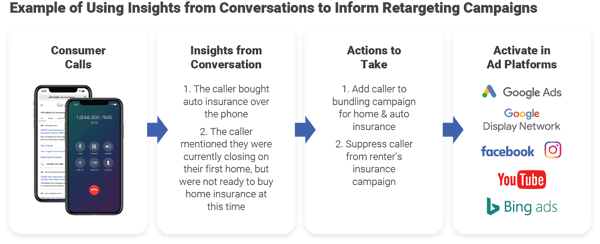
With conversational analytics, you can retarget callers with ads for the products or services they expressed interest in over the phone. If the caller has already converted or made a purchase over the phone, you can upsell them with ads for a companion product/service or exclude them from seeing ads to avoid wasting spend.
For example, if you’re an insurance company and a caller who bought car insurance mentioned that they’re closing on their first home, you can retarget them with ads for a home and auto bundle during the closing process while suppressing them from seeing renter’s insurance ads.
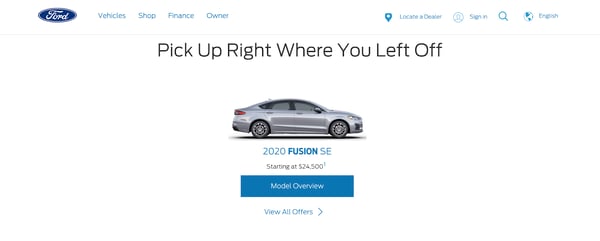
After you capture conversation analytics from your callers, you can push it into website optimization platforms. You can then set up website personalization rules for certain phrases or data points that occurred in the conversations. The optimization tools will, in turn, deliver personalized website experiences that align with phone conversations at scale.
For example, if you’re an auto dealer, you can populate your homepage with an image of the vehicle the buyer expressed interest in over the phone, perhaps with a special financing offer.
On top of understanding each caller’s needs on a microscopic level, call analytics can help you identify macroscopic trends about what callers are saying. By understanding these larger trends, you can identify new market opportunities.
For instance, if you’re an urgent care provider and you notice you’re receiving an influx of calls about flu-like symptoms at your Chicago branch, you can increase your paid search budget for “urgent care flu test near me” as well as associated keywords in that region.
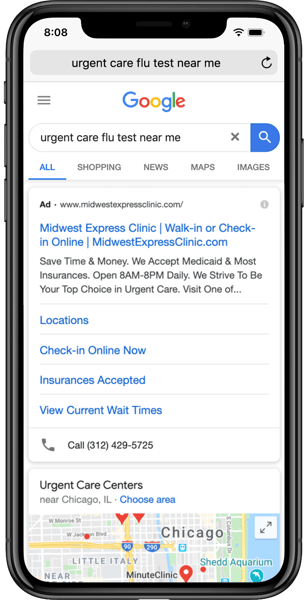
With cookies, on the other hand, it’s difficult to identify these kinds of macroscopic trends, especially by location. Marketers using cookies for audience targeting would likely fail to pick out these patterns and therefore miss out on revenue opportunities.
Not every one that rings up your telephone line is interested in your product. Having integrated CRM software helps you append the lead status to previous engagements and generate a lead score that is the average of all these interactions. Leads that continuously give a cold shoulder or stop responding after a while even after showcasing a high intent in the beginning should receive an average of between 10- 50% because the probability of conversion is too low. On the other hand, direct calls via the calling widget and subsequent lead action that pushed them forward in the purchase journey would make up for a better score. First-party call analytics can generate accurate lead scores that would empower your teams to channel their marketing efforts in the right direction.
Building a community or growing your base with knowledge-sharing sessions or webinars is also a great way to turn your first-party call analytics into high-intent sales-qualified leads. Collating the call summaries across all prospects, listing their common challenges, and culminating a virtual webinar to take a step-by-step approach to answering their challenges is a sign of a trustworthy brand. Customers are likely to sign up if a high-priority webinar email hits their inbox. That amount of clarity and scoping is possible via first-party call analytics and not with generic third-party cookies.
Inbound call tracking tools store, manage, and record all inbound calls transmitted over the company's telephone exchange process. These are cloud call servicing centers that store call details and transfer data to your lead management system, such as contact ID, contact name, contact information, call summary, and previous call records.
With call tracking tools, you can also keep track of how many previously uninterested leads called you again and what lead generation source they engaged from. It can also update you on what marketing communication is working or not working.
*These are the five leading inbound call tracking software from G2's Fall 2024 Grid® Report.

Call analytics gives rich insights that can help marketers understand and segment audience behavior deeper. It helps them resonate with the audience, value their sentiments, and remarket strategically. Knowing your customers' pace and pain points is the only way forward in the business market.
Check out the best free inbound call tracking tools to extract the maximum number of insights from your customers and glean more conversion-worthy data.
This article was originally published in 2020 and has been updated with new information.


Personalizing your B2B sales strategy connects you with your customers and drives better sales.
 by Manas Jha

What would you choose: working on a $1M deal for a year or having a million small or mid-size...
 by Lucy Literado

As a content marketer, I am sure you would have never had it easy.
 by Victoria Taylor