


Finding the best e-commerce development companies is really about finding an agency where the team you hire and the team building your store are always the same. That sounds like a low bar until you have spent six months discovering it is not.
Whether you're launching a first store, replatforming an existing one, or scaling a multi-channel operation, what follows is a matched shortlist built around the specific problem each firm is best positioned to solve.
Capital Numbers suits businesses needing a long-term offshore development partner. SmartSites ties development to SEO and paid media under one agency. Tavano Team owns the ERP and SuiteCommerce layers for NetSuite businesses. GoMage handles mid-market Magento and PWA builds. KaarTech covers enterprise e-commerce alongside systems integration. Real Agency focuses on conversion-driven development across Shopify, Magento, and BigCommerce. Mercury Development covers custom mobile and web builds with QA built in. Pixel Union gives early-stage DTC brands a professional Shopify storefront without a custom build budget. Algoworks embeds Salesforce Einstein and Agentforce into e-commerce development from day one.
*These e-commerce development companies are top-rated in their category based on G2's Winter 2026 Grid® Report.
The firms that are worth hiring bring genuine platform expertise to that first conversation, with sound architectural decisions, integrations built to withstand real traffic, and a working model that stays close to the build through delivery and beyond.
Small businesses bring them in to get a first store live without an internal dev team. Mid-market companies use them to rebuild or replatform as order volumes climb. Enterprise buyers rely on them for complex multi-channel builds, ERP integrations, and long-term retainer relationships where the agency effectively functions as an extension of the internal engineering org.
The real test of any development partner shows up in everything that comes after launch. How they handle change requests, how quickly they respond when something breaks in production, and whether their technical decisions leave you with a maintainable codebase or a growing pile of debt are what actually determine whether the engagement was worth it. The nine firms below passed that test across the problem profiles evaluated.
I started with G2's Winter 2026 Grid Reports, using verified reviewer satisfaction scores and market presence data to shortlist firms across small business, mid-market, and enterprise segments.
From there, I used AI to analyze hundreds of verified G2 reviews, identifying recurring patterns in what actually determines whether an engagement succeeds: communication quality, technical execution, post-launch support, platform expertise, handling of change requests, and how well firms manage client relationships across the full project lifecycle.
Since I have not personally engaged all of these firms as a client, I cross-checked my findings with insights from digital commerce leads, product managers, and IT buyers who have hired and managed e-commerce development partners directly. The visuals and product references included in this article are sourced from G2 vendor listings and publicly available product documentation.
You cannot tell a great e-commerce development partner from an average one on a sales call. My perspective comes from verified G2 reviews and real project outcomes shared by product managers, digital commerce leads, and IT buyers who have hired, managed, and in some cases replaced their development partners.
The firms on this list serve different types of buyers. Some focus on small businesses with personalized support, while others are built for larger enterprise projects. Pick the one that matches your needs.
Below, you’ll find authentic user feedback from the E-commerce Development category. To appear in this category, a tool must:
This data was pulled from G2 in 2026. Some G2 reviews may have been edited for clarity.
What stood out to me about Capital Numbers is how the engagement actually improves with time, instead of the usual offshore pattern where things get harder to manage the longer they run. You get custom builds, plugin development, redesigns, platform extensions, and ongoing maintenance from a team that carries context across years. For e-commerce businesses that need a partner that keeps getting sharper with every engagement, this is that partner.
What I found most useful about Capital Numbers is the ability to work directly with developers, skipping account manager layers entirely. With a communication skills score of 95% on G2, this matters for clients who need to explain nuanced requirements or give real-time feedback on deliverables. Reviewers note that developers ask the right clarifying questions, and that dynamic reduces the usual friction of offshore engagements. For smaller teams without a dedicated technical lead, this direct access functions as a meaningful operational advantage.
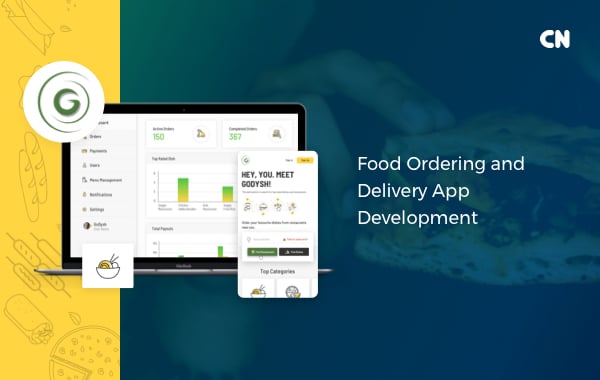
Across the reviews, I kept seeing project manager accessibility show up as a genuine operational strength. They surface issues early, translate business requirements into development tasks without repeated back-and-forth, and stay reachable as scope shifts. The firm's use of project management tools like Teamwork keeps timelines and task lists visible to both sides, reflected in a level of responsiveness score of 98% on G2.
Team continuity across multi-year engagements is something I find genuinely rare in this category, and the reviews consistently back it up. Users mention working with the same developers and project managers across several years, with one reviewer noting a designer relationship spanning four years. This continuity reduces onboarding friction on repeat projects and allows the development team to build genuine familiarity with a client's platform, preferences, and technical environment.
G2 reviewers point to QA consistency as an area that can require follow-up, particularly on projects with detailed or iterative design requirements. Teams running design-heavy builds without clearly established specifications up front are most exposed to this. That's a fair callout, but direct developer access and project management visibility keep delivery structured and revision cycles manageable throughout.
To sum up, Capital Numbers is the kind of development partner I'd point growing e-commerce operations toward without hesitation. Direct developer access, long-term team stability, and flexible project structuring that removes the extra coordination work most businesses can't afford to manage. For organizations that need reliable offshore development capacity over the long term, I find this one is impossible to look past.
“Communication from the team has been fantastic. Bikrant, our project lead, is always attentive, and Nidhi (React Native Dev) and Kapil (Backend dev) are both excellent and consistently excel at the work they do.”
- Capital Numbers review, Ethan D.
"The only challenge we faced was related to the assignment of specific personnel. Since they have a pool of candidates, it's important to assess if the assigned individual fits your project needs. While they are open to replacing candidates who don't meet expectations, the initial trial phase can be hit or miss."
- Capital Numbers review, Kinza R.
Not sure which platform your build should sit on? See G2's picks for the best e-commerce platforms before you scope the project.
What I noticed across SmartSites' reviews is how fast the paid media results show up — clients aren't left wondering for long whether the engagement is working. You get web development, SEO, PPC management, and conversion rate optimization under one roof. Development, growth work, and active account management all fall under the same engagement, without you having to coordinate with vendors.
I’d point to post-onboarding accessibility at SmartSites as the clearest differentiator at this price point. Multiple G2 reviewers note that the firm does not go quiet after onboarding, with account managers remaining accessible for strategy discussions, approvals, and ad hoc requests. Reflected in SmartSites' G2 level of responsiveness score of 100%, this sustained accessibility translates directly into faster decisions, fewer delays, and a productive working relationship that stays productive well beyond the initial build. The paid media results across the feedback are where SmartSites makes its strongest case, and the reviews left me convinced. Reviewers report measurable improvements in ROAS, cost-per-click, and overall campaign structure after engaging SmartSites for Google Ads and social media PPC. With an ability to execute a score of 99% on G2, the firm is noted for doing the actual optimization work, adjusting campaigns, refining targeting, and reporting on outcomes. Several reviewers mention results appearing within weeks of engagement.
The SEO outcomes in the reviews are what genuinely surprised me most about SmartSites. Client sites have moved from minimal search visibility to top rankings in competitive niches. It is an outcome that surfaces in G2 reviews as one of the strongest proof points of the firm's organic search capability. The team's expertise score of 100% on G2 reflects how consistently that depth shows up across engagements.
G2 reviewers flag that SmartSites' specialist structure means clients can find themselves managing communication across more than one point of contact. Teams running larger or more complex engagements notice this most. Even so, the dedicated project manager and a 100% responsiveness rating keep communication consolidated and the working relationship consistently productive. All things considered, SmartSites is the digital agency I'd back for small business owners who need development and ongoing growth work handled without managing multiple vendor relationships. High responsiveness, strong paid media execution, and an account management model that stays active long after the build is done. For brands that want a single agency relationship that actually pulls its weight over time, this one is the obvious call.
"SmartSites stood out as the superior choice because they were willing to be flexible and listen to our ideas, goals, and desires without fitting us into a pre-built system. They are helping us freshen up our website with SEO goals in mind by implementing changes based on our research. Our project manager, Drew, is outstanding at organizing our relationship and keeping everything moving forward, which has been invaluable given the complex technical issues we faced at the start."
- SmartSites review, Woodie A.
"Sometimes it was a challenge communicating with the offshore team, which was understandable given the different time zones. Was not often."
- SmartSites review, Brian H.
Building commerce intelligence is only half the equation — you still need to track what it delivers. See G2's picks for the best e-commerce analytics software to close the loop.
Tavano Team exists for the moment you realize your NetSuite ERP support team has no idea what to do with your SuiteCommerce layer. You get complex customizations, platform migrations, and ongoing e-commerce support from a team that owns everything on the commerce side of NetSuite. I'd point to this as the clearest value here: the ERP and the storefront have one accountable partner between them, instead of two teams pointing at each other when something breaks.
What sets Tavano Team apart, in my view, is the depth of platform knowledge they bring specifically to the NetSuite ecosystem. With an expertise of team score of 97% on G2, the firm handles SuiteCommerce Advanced customizations, B2B portal builds, checkout overhauls, and platform migrations, work that sits outside the scope of most NetSuite ERP support teams. The team understands both the commerce and ERP sides of the platform, reducing the back-and-forth that typically slows NetSuite-related development.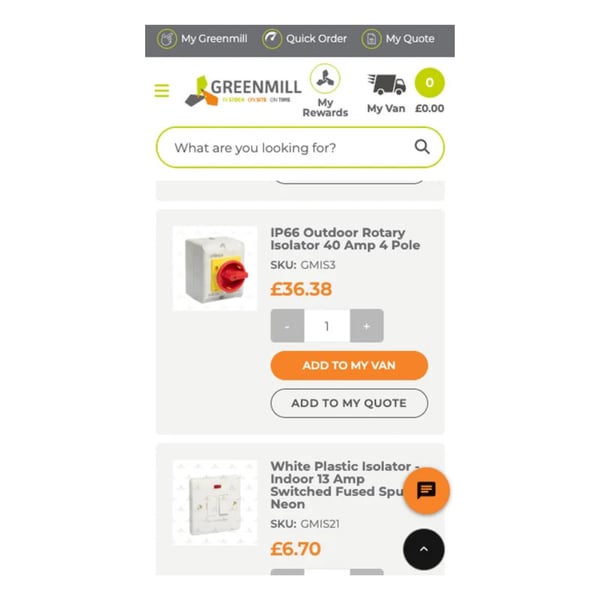
The accessibility across Slack and email is something I'd describe as one of the more operationally valuable aspects of working with Tavano Team. Reviewers note they rarely wait long for a resolution, and weekly standup meetings keep clients informed without requiring them to chase updates. Tavano Team's level of responsiveness score of 92% on G2 reflects the kind of accessibility that carries real operational weight for e-commerce teams managing live stores where issues surface without warning.
The reporting approach at Tavano Team is one of the category's more underrated strengths. Weekly KPI updates give clients a clear view of what is being worked on and how performance is tracking, but what stands out is the team's willingness to explain the data and walk clients through what the numbers actually mean. E-commerce managers who want to genuinely understand their platform find this transparency particularly valuable, and it shows in their confidence in acting on the insights.
Pricing comes up across G2 reviews as a consideration for teams with tighter budgets or narrower scopes. Smaller or cost-sensitive buyers feel this most when evaluating the initial investment. However, the pricing reflects the dual ERP and SuiteCommerce fluency that a generalist agency simply cannot replicate at a lower rate. For businesses where the ERP and storefront have to work as one system, that depth is what makes the investment worthwhile.
Tavano Team earns its place for businesses running NetSuite that need a dedicated SuiteCommerce specialist with the depth to handle migrations, customizations, and ongoing platform development. Dual ERP and commerce fluency, fast responsiveness, and a reporting model that keeps clients genuinely informed. Tavano Team is the clearest option for e-commerce operations, where NetSuite is the operational backbone
"They quickly get up to speed on any new SCA needs I may have. They provide good advice on best practices and how I can best triage my development costs to provide the best ROI."
- Tavano Team review, Chris P.
"Time zone differences have been a small challenge in the past, but that is a small issue compared to the benefit they bring to our business."
- Tavano Team review, Billy W.
The ERP layer and the commerce layer are more connected than most shortlists account for. G2's guide to the best ERP systems covers what to evaluate.
GoMage is the Magento and PWA specialist that mid-market e-commerce teams find when they've outgrown agencies that treat proactivity as a bonus feature. You get e-commerce builds, redesigns, performance optimization, and ongoing development from a team that surfaces risks before you know they exist. Scope changes get flagged, solutions get proposed, and the build keeps moving.
What struck me about GoMage when going through the feedback is how consistently timelines and budgets hold across engagements. With an ability to execute score of 98% on G2, reviewers who had dealt with budget overruns and communication gaps elsewhere note that GoMage's tight project control and proactive status updates made the difference. For e-commerce teams where delayed launches carry direct revenue consequences, that reliability is one of the clearest procurement signals GoMage puts forward.
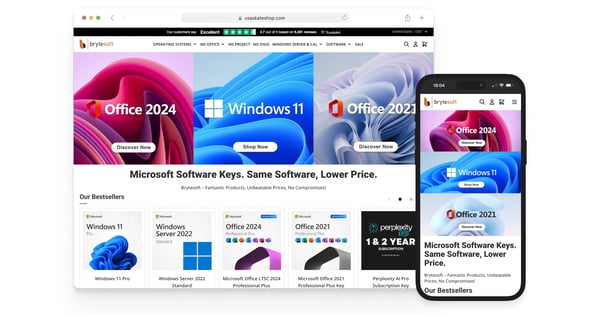
In my assessment, GoMage's communication approach is where the 98% score on G2 earns its credibility most clearly. The team notices changes in priority or scope before they become problems, and active contact via Slack means clients are never left waiting for project updates or answers. Clear, timely status updates consistently appear across every engagement in the reviews.
If I had to pick one quality that defines GoMage's working style, it would be proactivity. Reviewers consistently highlight the team surfacing suggestions, flagging risks, and offering solutions before clients have to ask. When an unplanned feature requirement emerged mid-project, the team responded with creative problem-solving, delivering a better outcome than the original plan.
GoMage's pricing and project scheduling structure are better suited to mid-market engagements, as G2 reviewers with smaller or more budget-constrained scopes point out. Teams with tighter budgets or shorter timelines are most affected. That said, the pricing and scheduling structure reflects the level of proactivity and delivery precision GoMage consistently brings to complex builds. What that buys in practice is a team that flags scope changes early, holds timelines, and rarely needs to be chased for an update.
Proactive communication, budget reliability, and a working style that shapes the brief and pushes back when needed. GoMage makes a strong case for mid-market teams that have outgrown generalist development support.
"Their professionalism and responsiveness are amazing. And being open to any requests and proactivity contribute to the overall experience of working with them."
- GoMage review, Bel W.
"The cost and the scheduling part of the company can be improved to benefit small-scale companies."
- GoMage review, Vaibhav S.
Large catalogs on Magento tend to surface product data problems fast. G2's guide to the best PIM software covers the tools that keep product content consistent across channels.
KaarTech acquired Dunn Solutions and inherited something most development firms spend decades trying to build: genuine enterprise transformation credibility. You get end-to-end e-commerce builds, platform re-platforming, systems integration, analytics, and business process automation under one engagement. The kind of work that typically requires three vendors gets handled by one team with the context to connect all of it.
The technical breadth at KaarTech is what stands out to me most when reviewing the full scope of what the team handles. With an expertise of team score of 95% on G2, reviewers consistently highlight the firm's deep industry knowledge and ability to handle complex e-commerce builds, SAP Hybris, custom development, and systems integration under one roof. Clients bring the team in for work that requires full-stack capability and architectural thinking.
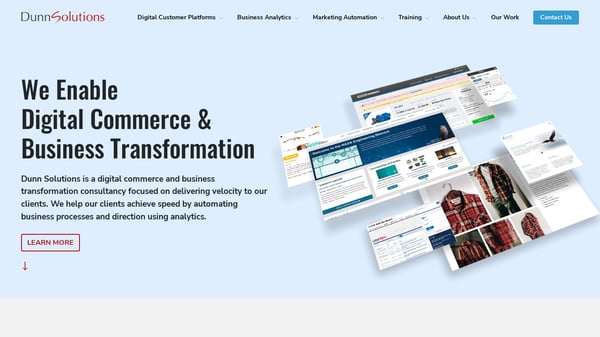
Precision in delivery is something I have come to associate specifically with KaarTech. Reviewers credit the firm's ability to execute a score of 100% on G2 as reflective of how custom software development, integration of disparate systems, and tailored e-commerce builds land with precision. For enterprise buyers with non-standard workflows, this level of customization means the final build reflects how the business actually operates.
One capability I consider genuinely underappreciated at KaarTech is how analytics and business process automation sit alongside e-commerce development in the same engagement. Data optimization, predictive analytics, and automated marketing are delivered as part of the same scope, not handed off to a separate vendor. For organizations looking to connect their e-commerce layer with broader business intelligence, this means cleaner data flows, faster insight, and a single accountable team managing the full picture.
G2 users describe certain platform areas as benefiting from more frequent updates to stay current with fast-moving technology trends. Teams evaluating the firm for cutting-edge or rapidly evolving technical requirements are most affected. The full-stack customization depth and systems integration capability more than compensate for that on builds where architectural precision matters more than cutting-edge tooling.
KaarTech is the kind of partner I'd single out for enterprise and mid-market buyers that need technically demanding e-commerce work handled without splitting it across multiple vendors. Full-stack delivery, analytics, and automation built in from day one, and a customization depth that reflects how the business actually operates. For organizations serious about long-term digital transformation, this one belongs at the top of the shortlist.
"I like the three most important points about the Dunn Solution are:
Expertise: Clients value Dunn Solutions for their deep industry knowledge and technical expertise in solving complex business challenges.
Customization: The ability to provide tailored solutions that meet specific client needs is often praised.
Innovation: Clients appreciate Dunn Solutions for their innovative approach to technology and their commitment to staying up-to-date with the latest trends and tools."
- Kaartech (Dunn Solutions) review, Ayush G.
"While my experience with Dunn Solutions had several positive aspects, there were a few areas where I believe there's room for improvement. Specifically, Focus on Improvement.”
- Kaartech (Dunn Solutions) review, Ayush G.
I noticed Real Agency's reviews go back further than most firms on this list, and the conversion-focused approach shows up consistently across that whole stretch. You get new store builds, platform migrations, and ongoing optimization across Shopify, Magento, BigCommerce, and Adobe Commerce, with a structured two-step approach that prioritizes fast commercial returns. For growing retail brands where every percentage point of conversion matters, this one was built around that pressure
Honestly, what I keep coming back to with Real Agency is how confidently the team handles technical problems that most store owners cannot resolve independently. Reviewers note the team's ability to quickly get to the root of layout issues, order flow errors, and customization problems, delivering solutions that hold up after implementation. Having this technical depth available on demand keeps smaller retail operations focused on growth, pulling them out of unresolved development issues before those issues start consuming time and attention.
The support experience at Real Agency is something I kept coming back to across the reviews. With an ease of doing business score of 94% on G2, support is described as accessible and hands-on, with the team staying close to technical problems and seeing them through to resolution. For small business owners without an internal development resource, this is a practical and meaningful operational benefit.
Looking beyond the day-to-day support, the commercial outcomes in the reviews are what impressed me most about Real Agency's working model. Reviewers credit the team with improving organic rankings, increasing search visibility, and helping grow customer bases through their e-commerce work. For growing retail brands where every improvement has a direct revenue consequence, this outcome-oriented approach is more commercially useful than a standard build-and-hand-off model.
Turnaround time for certain requests can be longer than expected, particularly for smaller tasks during periods of high demand, as G2 reviewers note. Teams with time-sensitive delivery requirements feel this most. Even so, technical problem-solving depth and the quality of hands-on support remain consistent strengths. This is worth aligning on during scoping, particularly for time-sensitive, smaller requests. intact regardless of pace.
Real Agency is the development partner I'd recommend without pause for online retailers that need genuine conversion focus and broad platform coverage. Hands-on support, technical depth across multiple platforms, and an outcome-oriented approach that treats every improvement as a commercial decision. For growing retail brands where execution quality is non-negotiable, this one earns its place without question.
"What I like about Media Lounge is their team's helpfulness and their creative ideas regarding the website."
- Real Agency review, Komal R.
"Their turnaround time can be improved a bit."
- Real Agency review, Verified User in Computer Software
Development gets the store built — conversion rate optimization keeps it performing. G2's guide to e-commerce CRO tactics covers what to apply once it's live.
Mercury Development has been building digital products since 1999, and that history shows up in how methodically they approach QA You get native iOS and Android apps, cross-platform solutions, AI-powered experiences, and end-to-end digital product delivery from a team that treats QA as seriously as the build itself. For e-commerce brands where the product has to work perfectly on day one, that discipline matters.
Mercury's mobile development depth is the capability that kept coming up first across the reviews, and for good reason. With an expertise of team score of 97% on G2, reviewers consistently highlight that their native iOS and Android apps and cross-platform solutions built with Flutter and React Native are optimized for performance, security, and growth. For e-commerce brands where mobile is the primary shopping channel, this capability sets Mercury apart.
A great e-commerce store lives or dies by its design, and from what I've seen across reviews, Mercury gets that. Their ability to run a score of 100% on G2 is consistent with the product-focused design systems, UI kits, and user experiences built with one clear goal: converting users into customers. Reviewers point to how deliberately Mercury approaches the entire user journey, which in e-commerce is what separates a store that browses from one that sells.
One thing that kept standing out to me was how seriously Mercury takes QA. Their level of professionalism score of 100% on G2 reflects a process that covers manual testing, automated test frameworks, and CI-ready QA processes to ensure stability at scale. Reviewers appreciate that by the time a store goes live, it has been thoroughly tested. In e-commerce, a bug at checkout costs you sales and customer trust in equal measure.
The time zone difference requires deliberate scheduling for live collaboration, with clients pointing to occasional delays in real-time communication during active engagements. E-commerce businesses running time-sensitive launches feel this most across their planning cycles. The mobile development depth and QA rigor that come with it make Mercury one of the more technically dependable partners in this category, regardless of geography.
Mercury Development is worth serious consideration for e-commerce brands that need end-to-end technical capability handled without splitting mobile, design, and QA across separate vendors. Deep platform expertise, product-focused design systems, and a testing process that holds up under real-world conditions. For brands where a bug at checkout is simply not an option, I find this one stands out clearly in the category.
"Mercury is very organized, and there are no hidden surprises. They first scoped the project in detail, questioning the specification supplied as necessary. They also focused on the success testing right from the start. I was also guided through the process, so it was very straightforward."
- Mercury Development review, Andy D.
"It is sometimes difficult to work in different time zones."
- Mercury Development review, Casey C.
Inventory sync failures post-launch are one of the more expensive problems to inherit. G2's roundup of the best inventory control software covers what to pair with your build before orders start moving.
Pixel Union has spent years building the Shopify infrastructure that small business owners wish existed before they paid for a custom storefront. You get professionally designed themes, commerce apps, and discounting tools that work within the Shopify ecosystem, without requiring a developer every time something needs to change. For early-stage DTC brands where budget and speed matter equally, this one removes much of the unnecessary complexity.
I'll be direct: Pixel Union's theme pricing is one of the strongest value propositions in this entire list. The Empire and Superstore themes are mentioned across G2 reviews as a strong alternative to custom builds, delivering a professional, full-featured storefront at a fraction of the cost. A G2 reviewer noted that a comparable custom build would have cost significantly more, while the theme provided a solid foundation to launch from and expand.
What I genuinely appreciate about Pixel Union's app capabilities is how much promotional functionality it unlocks without requiring custom development. With an ability to execute score of 91% on G2, the Ultimate Special Offers app extends Shopify's native discounting with promotional mechanics that the platform does not provide out of the box. Reviewers credit the app with enabling more sophisticated deal structures, particularly around Black Friday and peak trading periods, that increase average order value while reducing the cost of blanket discounts.
From my read of the reviews, ease of use is where Pixel Union quietly delivers one of its most practical benefits. With an ease of doing business score of 87% on G2, hours that were previously spent on manual product description work are recovered without needing external help. This is a practical advantage for small business operators managing multiple responsibilities, where every hour saved translates directly into capacity for higher-priority work.
Compatibility issues between certain theme configurations and third-party Shopify apps arise across G2 reviews, particularly regarding checkout scripts and cart functionality. Stores running complex app stacks where multiple scripts interact at checkout are most affected. The theme design quality and promotional depth through Ultimate Special Offers hold up as genuine strengths for stores that don't rely on heavy third-party checkout customization."
Pixel Union delivers something genuinely useful for small business owners and early-stage DTC brands: a professionally designed, conversion-ready Shopify storefront without the budget of a custom build. Design quality, promotional depth through Ultimate Special Offers, and a theme foundation built to grow with the store. For operators at the launch or early-growth stage, I find this one makes a strong, practical case.
"Ultimate Special Offers adds numerous discounting options to Shopify that are not available off the shelf with Shopify. They have enabled us to create a discount/deal strategy around our Black Friday sales that has made us offer tremendous value to our customers while also reducing the amount of money we lose with discounts."
- Pixel Union review, Andrew B.
"The cart page is having compatibility issues, the product pages don't have tabs as an option, the header options are not well designed, and I have issues with the main menu and the logo at the top."
- Pixel Union review, KyleQC Q.
On a budget? Explore free e-commerce platforms on G2 to find options that get a store live without the upfront cost.
Algoworks has been building web, mobile, and AI-powered commerce solutions for nearly two decades across healthcare, financial services, retail, and manufacturing, and that breadth shows up in every engagement. You get full-service e-commerce development alongside Salesforce Einstein and Agentforce intelligence built into the commerce foundation from day one. For brands that need a partner with a genuine range and the track record to back it up, this one has both.
The omnichannel consumer experience thinking is where I noticed Algoworks pulling ahead of what most development partners offer. Their approach deliberately guides shoppers from inspiration through to purchase with personalized engagement. This deepens loyalty and strengthens brand equity over time. For e-commerce brands where every stage of the journey has to feel intentional, this is a differentiator that is harder to find than it should be.

The breadth of what Algoworks handles within a single engagement is what genuinely separates it from generalist partners, and I noticed this consistently in the feedback. With an ability to execute score of 96% on G2, reviewers consistently point out that web applications, mobile development, integrations, migrations, and quality assurance all fall under one team. This gives e-commerce clients cleaner execution, tighter workstreams, and a meaningfully faster path from initial brief to a live, stable store.
Salesforce Einstein and Agentforce sitting inside their core services is something I'd argue most brands will wish they had prioritized from the start. With an expertise of team score of 98% on G2, reviewers highlight how this translates directly for e-commerce clients into intelligent personalization, product recommendations, and customer engagement automation built into the commerce foundation from day one, giving brands a serious competitive edge right out of the gate.
G2 reviewers note that live collaboration windows can feel narrow, given that the Algoworks team is predominantly based in India. US-based businesses with hard launch deadlines feel this most across their planning cycles. That said, the full-service breadth across web, mobile, integrations, and AI-powered personalization consistently delivers on the technical side regardless of the geographic distance.
For e-commerce brands that need full-service delivery, AI-powered personalization, and omnichannel thinking within a single engagement, Algoworks is the partner I'd prioritize. Deep technical breadth, Salesforce-native intelligence, and a track record that holds across successive phases of platform development. If long-term growth in digital commerce is the goal.
"We found Algoworks as the most popular Salesforce consultant on AppExchange, and now we know why. They have an impeccable understanding of the subject matter and approach the project with razor-sharp intelligence."
- Algoworks review, Mudit A.
"The only part we disliked was the time frame it took to complete the project. However, we definitely understand that they are extremely busy and may not be able to commit to an aggressive timeline."
- Algoworks review, Verified User in Higher Education.
Tip: Businesses track this sales metric to see how quickly they are moving customers down the pipeline.
|
Software |
G2 Rating |
Free plan |
Best for |
|
Capital Numbers |
4.8/5 |
No |
Small businesses needing full-service e-commerce development and reliable ongoing support |
|
SmartSites |
4.9/5 |
No |
Small businesses wanting a single agency for both development and digital marketing |
|
Tavano Team |
4.7/5 |
No |
Businesses needing specialized NetSuite SuiteCommerce development and e-commerce migration |
|
GoMage |
4.9/5 |
No |
Mid-market teams running Magento-heavy e-commerce operations |
|
KaarTech |
4.8/5 |
No |
Enterprise buyers managing complex e-commerce and systems integration projects |
|
Real Agency |
4.1/5 |
No |
Online retailers who need conversion-focused e-commerce development across multiple platforms |
|
Mercury Development |
5.0/5 |
No |
Businesses needing custom e-commerce and mobile app development |
|
Pixel Union |
3.9/5 |
No |
Brands prioritizing Shopify storefront design and theme development |
|
Algoworks |
4.7/5 |
No |
Mid-market and enterprise teams needing Salesforce-integrated e-commerce |
*These e-commerce development companies are top-rated in their category based on G2’s Winter 2026 Grid Report rankings. Pricing varies by firm; most operate on custom project-based engagements with final quotes dependent on scope and requirements.
Got more questions? G2 has the answers!
SmartSites and Pixel Union are the strongest picks. Both specialize in Shopify storefront design, mobile-first builds, and product page optimization that fashion DTC brands need to convert browsers into buyers.
Capital Numbers and SmartSites are the ones to go with. They handle data integrity, URL structure, payment continuity, and SEO preservation through the transition, with solid post-launch support to catch issues before they compound.
Mercury Development is the strongest option for parallel mobile and web builds. Algoworks is the better call if you also need mobile commerce tied into broader CRM or ERP integrations.
SmartSites and Pixel Union. Both treat conversion as a build requirement, covering layout decisions, load speed, and mobile behavior from the start.
Capital Numbers and Kaartech are the go-to options. Both manage the full engagement from platform selection through to post-launch support without gaps in between.
GoMage and SmartSites are the strongest picks for budget predictability. Both scope tightly upfront and communicate proactively when anything shifts.
Capital Numbers and Real Agency. Both have strong small business track records and deliver custom work within defined budgets and timelines.
Algoworks and Kaartech both bring backend integration depth to payment gateway and inventory builds, with the experience to keep connections stable under real traffic.
SmartSites and Capital Numbers are the strongest options. Both have platform-specific depth that becomes more valuable as order volumes and catalog complexity grow.
Small business engagements typically start around $2,000 for basic builds. Mid-market and enterprise projects with custom architecture, third-party integrations, and ongoing retainers run significantly higher. The most reliable way to get a quote that holds is to define your scope and priorities clearly before the first conversation.
E-commerce development is not a one-time transaction. The partner you choose at the start shapes how your store performs, how well it scales, and how much extra work lands on your team. You absorb every time something needs to change. A poor platform decision made in week one can cost you a replatform in year two. An integration built without proper documentation can ground your ops team every time something upstream changes.
Every firm on this list was evaluated against a specific buyer profile and the conditions under which it genuinely delivers. Small brands building their first store, mid-market operators moving platforms, and enterprise teams managing complex multi-system builds all have a strong option here.
Match your choice to your platform, your scope, and the level of post-launch support your operation actually needs. The right call now saves you from a much harder conversation later.
Want to extend your commerce stack beyond the build? Explore the best free e-commerce platforms on G2 to find the right foundation for your store


I've watched a WordPress build go two very different ways. Done right, your team never thinks...
 by Disha C

I evaluated 20+ tools using G2 Data and reviews to finalize the 10 best website design services
by Somya Jain

Finding the best content writing services is harder than it looks. Most teams discover the gap...
 by Disha G